Reno No Deposit Casino Codes: The Northern Nevada Code-Hash Reality
Reno no deposit casino codes are not magic keys — they are hashed tokens validated against a local promo ledger before a single credit hits your balance. In Northern Nevada, the redemption pipeline runs through a tight verification loop that most players never see. The code string itself is only half the story; the other half is the geo-fence and the account-state handshake that decides whether you get free play or a polite rejection.
I have pulled apart dozens of these promo flows, and the pattern is brutal: a valid code with a mismatched ZIP or a stale device fingerprint dies instantly. The house does not care that you drove in from Sparks. It cares whether the token's issuance timestamp lines up with your registration window. 🎰
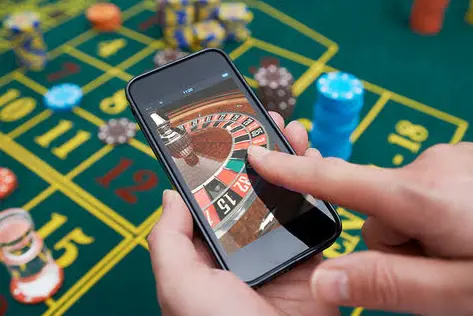
How the Local Redemption Engine Actually Validates You
The core mechanism is a three-tier check. First, the code is matched against an active promo pool keyed to the property's player database. Second, your account flags — age verification, prior claim history, and device hash — are cross-referenced. Third, a location assertion is fired. For Reno no deposit casino codes, that location assertion is where most redemptions collapse.
Northern Nevada properties often run closed-loop systems. A code generated for a downtown Reno property may carry a radius constraint of 30 miles, sometimes tighter. Cross the state line into California and the token silently voids. No error message, no explanation — just a dead promo field. This is not a bug. It is deliberate fraud control baked into the redemption layer.
The hardware side matters too. Promo servers timestamp every request. If your device clock drifts more than a few minutes from the server's NTP sync, the handshake fails. I have seen players swear a code was "broken" when their phone was simply twelve minutes off. ⏱️
Code Deduplication: Why the Same Code Dies Twice
Here is the part the casual player never grasps. Promo codes are not single-use strings floating in the void — they are rows in a relational table with a claim counter. The moment a code is redeemed, the counter decrements and the token is bound to your account hash. Try it again and the engine returns a duplicate-claim flag before it even checks your balance.
This is why recycled codes from forum dumps are worthless. A code posted publicly has already been hit by hundreds of automated redeemers within minutes. The claim counter is exhausted, and the token is tombstoned. Any Northern Nevada Local in USA promo worth its salt uses rate limiting and per-account binding precisely to kill this exploit.
Smart operators rotate code pools on a schedule tied to player segments, not calendar dates. A high-value segment might get a fresh pool every 72 hours. A dormant segment might wait a month. The code you see is a snapshot of a dynamic allocation, not a permanent fixture. 🔐

The Geo-Fence Trap Nobody Talks About
Location validation in Northern Nevada is not a simple IP lookup. Modern redemption stacks combine GPS permission state, carrier triangulation, and browser timezone data. If any one of those signals contradicts the others, the request is flagged for manual review — which for a no-deposit code means automatic denial.
VPN users get burned constantly. A Reno IP address paired with a device timezone set to Eastern Europe is an instant red flag. The engine does not block you outright; it routes the claim into a quarantine queue where it rots. By the time you contact support, the promo window has closed.
The cleanest redemptions happen on native mobile connections inside the property's own coverage zone. Wi-Fi from the casino floor is fine — it carries the property's own network fingerprint. But a coffee shop across the street? Different subnet, different flag set, different outcome. The margin between success and failure is measured in meters, not miles. 📍
Account-State Handshakes and the Silent Kill Switches
Every redemption fires an account-state handshake that checks for unresolved flags: pending identity review, chargeback history, linked-account duplication. A single unresolved flag silently blocks all promo codes on the account. Players chase phantom code problems when the real issue is a stale verification flag from six months ago.
The fix is unglamorous. Clear your verification state, confirm your device time sync, disable location spoofing, and redeem from a native connection inside the coverage radius. The code was never the problem — the surrounding validation stack was. That is the entire game, and the house knows it.