Ethereum Casino Deposits – Where Can You Deposit This Crypto?
The convergence of decentralized finance and online gaming has birthed a new paradigm in digital wagering. For the discerning high-roller, Ethereum casino deposits represent far more than a mere transaction; they are a strategic entry point into a provably fair ecosystem governed by immutable smart contracts. 🎲 Unlike traditional banking rails that suffer from latency and jurisdictional friction, the Ethereum blockchain offers near-instantaneous settlement finality. But the critical question remains: where exactly can the savvy player deploy their ETH for maximum utility and security?
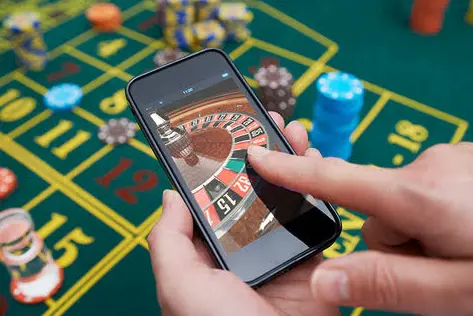
Decentralized Casinos: The Native Layer-1 Integration
The most authentic destination for Ethereum casino deposits is a decentralized application (dApp) built directly on the Ethereum Virtual Machine (EVM). These platforms operate without a central custodian, meaning your funds interact directly with audited gambling smart contracts. When you initiate a deposit here, you are not trusting a company; you are trusting code. The transaction is broadcast to the mempool, validated by nodes, and credited to your session wallet upon block confirmation. This method eliminates counterparty risk but demands a working knowledge of gas fees and MetaMask or WalletConnect integration. 🚀
Tier-1 Licensed Operators with Direct ETH On-Ramps
For players prioritizing regulatory recourse alongside crypto agility, Curacao and Malta-licensed operators now feature dedicated Ethereum casino deposits gateways. These hybrid platforms generate a unique deposit address tied to your player profile. The internal ledger credits your balance after a pre-set number of network confirmations—typically 12 to 30 blocks for enhanced security against chain reorganizations. The advantage here is fiat-side liquidity and 24/7 live dealer ecosystems, though players must complete standard KYC protocols to unlock full withdrawal limits. These operators often absorb network fees as a loyalty incentive for high-volume depositors.

The Rise of Layer-2 Deposit Routes: Arbitrum and Optimism Bridges
A seismic shift is occurring with Layer-2 scaling solutions. Progressive casinos now accept ETH bridged via Arbitrum, Optimism, or zkSync. This approach slashes gas costs by up to 95% while maintaining Ethereum-grade security. The deposit flow involves bridging your ETH from the mainnet to the L2 network, then transferring to the casino’s L2 wallet. The result is sub-second deposit crediting for micro-stakes players and a frictionless experience for bonus hunters exploiting time-sensitive promotions. Always verify the casino’s supported chain ID before initiating a bridge; a mismatch can result in permanent fund loss. ⚠️
Custodial vs. Non-Custodial Deposit Mechanisms
Understanding the custody model is non-negotiable for professional bankroll management. Non-custodial Ethereum casino deposits route funds through a personal Web3 wallet, with the casino acting only as a smart contract facilitator. Custodial deposits, conversely, transfer ownership to the operator’s omnibus wallet. The latter offers simplified recovery but introduces third-party risk. Elite players typically maintain a dedicated hot wallet with limited exposure for custodial platforms, reserving hardware wallet cold storage for non-custodial play. This bifurcation of risk is a hallmark of sophisticated crypto gambling strategy.
Mobile-First Deposit Protocols and QR Code Efficiency
The modern Ethereum depositor expects seamless mobile execution. Leading platforms now generate dynamic QR codes that encode the deposit address, chain ID, and exact ETH amount. Scanning with Trust Wallet or Coinbase Wallet auto-populates the transaction parameters, minimizing human error. This is particularly critical when depositing during high-volatility periods where exchange rates fluctuate between the time a QR is generated and the transaction is signed. Some advanced interfaces even estimate gas fees in real-time and offer a "speed up" option by attaching a higher priority fee to the original transaction. 📱
Security Audits and Smart Contract Verification Before You Deposit
Before routing a single Gwei to any platform, demand proof of audit. Reputable casinos publish their deposit contract addresses alongside third-party security reviews from firms like CertiK or Hacken. Verify that the contract is not upgradeable without a timelock and that the deposit function includes a fallback mechanism for failed transactions. A common exploit involves malicious contracts that trap ETH deposits without crediting the player ledger. Cross-reference the contract address across multiple block explorers and community forums. If the operator refuses to disclose the contract, treat it as a red flag and seek an alternative venue immediately.
Tax Implications and Transaction Tracing for High-Value Deposits
Jurisdictional tax treatment of Ethereum casino deposits varies wildly. In some territories, moving ETH to a gambling platform is a taxable disposal event, triggering capital gains obligations based on the fair market value at the time of transfer. Blockchain analytics firms now possess heuristics to cluster wallet addresses, meaning your deposit history is pseudo-anonymous at best. Professional players maintain meticulous records of acquisition cost, deposit timestamps, and wallet addresses to satisfy auditors. Consulting a crypto-specialized tax attorney is not optional for those moving five-figure sums or more.
Gas Fee Optimization Strategies for Frequent Depositors
Network congestion on the Ethereum mainnet can turn a modest deposit into a fee nightmare. Seasoned players monitor base fees via Etherscan’s gas tracker and schedule deposits during off-peak hours—typically weekends or late-night UTC. Batching multiple deposits into a single transaction through a multisend contract is another advanced tactic for reducing per-deposit overhead. For those unwilling to time the market, Layer-2 solutions remain the most pragmatic route. Remember: the goal is to maximize bankroll efficiency, and every Gwei saved on gas is a Gwei available for high-EV wagers.